
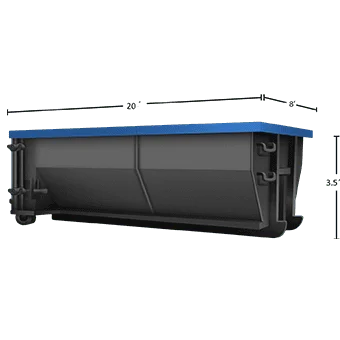
Volume is only one part of a load
Describe what will be removed and how much of it you expect. Bulky light contents occupy space differently from dense building materials. A container that looks large enough may still be unsuitable for the weight or material conditions of the offered service.
Use a practical description of the project rather than an invented precise measurement. Identify rooms or areas being cleared and list major material types. If the estimate is uncertain, say so and ask what information would help the rental contact propose an appropriate option.
Check dimensions against the working space
Request the dimensions and receiving requirements of the proposed container. Allow for the delivery operation and the way you will load it, including a door opening if applicable. Do not select a size solely because its base appears to fit on a drawing.
Give details of gates, slopes, surfaces and overhead obstructions. The property contact should agree the position before delivery. A smaller container does not automatically resolve every access issue, and a larger one does not automatically improve a loading arrangement.
Compare the terms attached to each option
Ask about accepted contents, any included load allowance, how additional use is treated and the arrangements for removal. Compare those terms for the specific container offered, including its dimensions and loading conditions.
Choose Dumpster Rental in Get a Quote and provide the address, dates and debris details. If a different material appears during the work, check it before loading. For crew sanitation, submit the separate toilet and washing need rather than treating it as part of the container size calculation.